Your Gut Bacteria Are Metabolizing Your Medications Before You Do
How gut microbiome composition alters drug efficacy, from cancer immunotherapy to metformin, and why pharmacomicrobiomics may reshape prescribing.
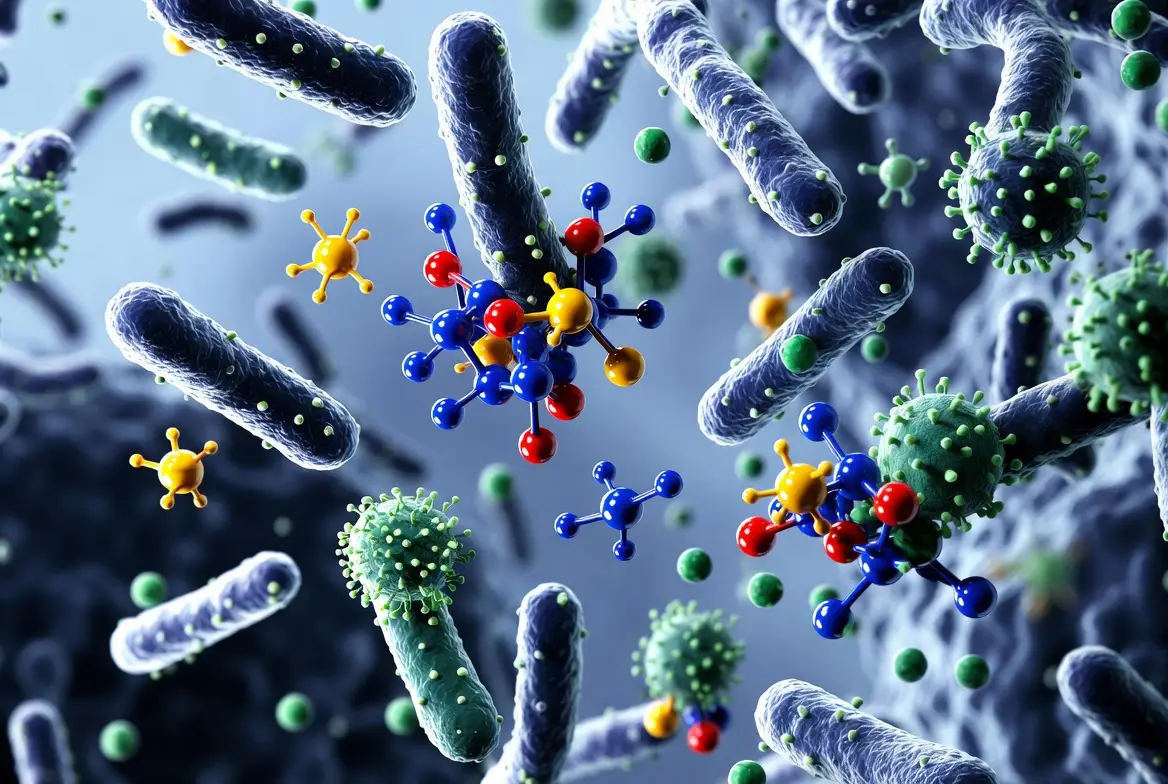
A cardiac patient takes digoxin for atrial fibrillation. The dose is correct, the formulation is standard, and her liver enzymes are functioning normally. Yet her serum drug levels are inexplicably low. The medication is vanishing somewhere between her mouth and her bloodstream, and the answer turns out to be a single bacterial species, Eggerthella lenta, sitting in her colon and chemically reducing the drug’s lactone ring before it can reach her heart. This isn’t a rare curiosity. It’s a pattern that repeats across dozens of medications, and it has given rise to a young field with an unwieldy name: pharmacomicrobiomics.
The human gut harbors roughly 38 trillion microorganisms, a population that collectively encodes about 150 times more genes than the human genome. Many of those microbial genes produce enzymes capable of chemically modifying drugs. For decades, pharmacology has focused almost exclusively on human drug metabolism, particularly the cytochrome P450 (CYP450) enzyme family in the liver that processes an estimated 70-80% of clinically used medications. But a growing body of evidence suggests that microbial metabolism in the gut represents a second, largely unmapped system of drug biotransformation that can determine whether a medication works, fails, or causes harm.
The Enzymes in Your Intestines That Aren’t Yours
Gut bacteria metabolize drugs through three primary biochemical reactions. The first is reduction, in which bacteria add electrons to drug molecules and alter their chemical activity. The digoxin case is the textbook example: Eggerthella lenta produces a cardiac glycoside reductase (encoded by the cgr operon) that inactivates digoxin by reducing its alpha,beta-unsaturated lactone ring. A landmark 2013 study by Haiser and colleagues at Harvard, published in Science, identified this operon and showed that its expression varies between E. lenta strains, meaning that some patients carry strains that aggressively degrade digoxin while others carry strains that leave it alone (Haiser et al., Science, 2013). The clinical implication is striking: two patients with identical hepatic CYP450 profiles can have wildly different digoxin bioavailability based purely on which E. lenta strain colonizes their gut.
The second mechanism is hydrolysis, where bacterial enzymes cleave chemical bonds using water. Beta-glucuronidases produced by gut bacteria are particularly important here because the liver frequently detoxifies drugs by attaching a glucuronic acid molecule, a process called glucuronidation, and then excreting the conjugated drug in bile. When that conjugated drug reaches the colon, bacterial beta-glucuronidases strip off the glucuronic acid and reactivate the drug. This is exactly what happens with irinotecan, a chemotherapy agent used against colorectal cancer. The liver converts irinotecan’s active metabolite SN-38 into inactive SN-38G, but colonic bacteria hydrolyze SN-38G back into SN-38, causing severe dose-limiting diarrhea. Wallace and colleagues at the University of North Carolina demonstrated in 2010 that selectively inhibiting bacterial beta-glucuronidase in mice could prevent irinotecan-induced GI toxicity without affecting the drug’s antitumor activity (Wallace et al., Science, 2010). That finding opened a direct therapeutic path: target the microbial enzyme, not the drug or the patient.
The third mechanism is deconjugation more broadly, including deacetylation, deamidation, and other reactions that reverse the chemical modifications human enzymes have made to drugs. These reactions collectively mean that the gut microbiome functions as a metabolic organ with its own pharmacokinetic profile, one that varies dramatically between individuals and even within the same individual over time as diet, antibiotics, and illness reshape microbial communities.
Cancer Immunotherapy’s Microbial Secret
Perhaps no area of medicine has been more dramatically affected by microbiome research than cancer immunotherapy. Checkpoint inhibitors, the drugs that block PD-1 or CTLA-4 to unleash the immune system against tumors, work spectacularly in some patients and do nothing in others. The response rate for anti-PD-1 therapy in metastatic melanoma hovers around 40%, meaning the majority of patients don’t benefit despite receiving the same drug at the same dose. The traditional explanation focused on tumor mutational burden and PD-L1 expression. But beginning in 2018, a series of studies pointed toward a startlingly different variable.
Gopalakrishnan and colleagues at MD Anderson Cancer Center analyzed the gut microbiomes of 112 melanoma patients receiving anti-PD-1 therapy and found that responders had markedly higher diversity and a greater abundance of Ruminococcaceae family bacteria, particularly Faecalibacterium. Patients with high Faecalibacterium abundance had longer progression-free survival by a wide margin. The researchers went further: when they transplanted fecal matter from responding patients into germ-free mice, those mice showed improved tumor control and enhanced anti-tumor immunity compared to mice receiving transplants from non-responders (Gopalakrishnan et al., Science, 2018). In the same issue, Routy and colleagues at INSERM in France reported that melanoma, lung cancer, and kidney cancer patients who had taken antibiotics shortly before or during immunotherapy had measurably shorter overall survival and progression-free survival. They identified Akkermansia muciniphila as a key species associated with clinical response, and demonstrated that oral supplementation of A. muciniphila in antibiotic-treated mice restored the efficacy of PD-1 blockade (Routy et al., Science, 2018).
These weren’t small signals in noisy datasets. The effect sizes were large enough to rival known predictive biomarkers like PD-L1 expression. A 2021 meta-analysis published in Nature Medicine by Lee and colleagues confirmed that antibiotic exposure within 30 days of initiating checkpoint inhibitor therapy was associated with worse overall survival across multiple cancer types, with a hazard ratio of 1.76 (Lee et al., Nature Medicine, 2022). This means that a course of amoxicillin for a sinus infection, taken at the wrong time, might substantially reduce the odds that a $150,000 course of immunotherapy will work. Oncologists are starting to pay attention. Several cancer centers now advise against elective antibiotic use in patients about to start checkpoint inhibitors, though formal guidelines haven’t caught up yet.
Metformin: The Drug That Works Through Bacteria
Metformin has been the first-line treatment for type 2 diabetes since the 1990s, and for most of that time, its mechanism of action was described as activating AMP-activated protein kinase (AMPK) in the liver, thereby reducing hepatic glucose production. That explanation always had problems. Metformin reaches much higher concentrations in the gut than in the plasma, and extended-release formulations that maximize intestinal exposure while reducing systemic absorption work just as well as immediate-release versions. Something was happening in the gut.
In 2015, a meticulously designed crossover study by Wu and colleagues, published in Nature Medicine, showed that transferring fecal microbiota from metformin-treated patients into germ-free mice improved glucose tolerance, even though the mice never received metformin. The drug was reshaping the gut microbiome, and the reshaped microbiome was itself mediating part of the therapeutic effect. Metformin increases the abundance of Akkermansia muciniphila and several short-chain fatty acid (SCFA) producing bacteria, while altering microbial bile acid metabolism in ways that improve glucose homeostasis and insulin sensitivity (Wu et al., Nature Medicine, 2017). A follow-up study by the same group found that metformin’s effects on the microbiome also explained its most notorious side effect: approximately 30% of patients experience GI intolerance, primarily diarrhea and bloating, that frequently leads to discontinuation. The microbial shifts that help control blood sugar also produce excess gas and alter intestinal motility. The benefit and the side effect share the same mechanism.
This has real implications for how we think about drug development. If a significant portion of metformin’s efficacy comes from microbial remodeling, then patients with different baseline microbiome compositions will respond differently, and co-administering agents that shape the microbiome (prebiotics, probiotics, or dietary interventions) might potentiate or interfere with the drug’s effects in ways we haven’t systematically studied.
The Missing Variable in Pharmacogenomics
Pharmacogenomics, the study of how genetic variation influences drug response, has been a clinical reality for over a decade. Patients can be tested for CYP2D6 polymorphisms before receiving codeine, or for HLA-B*5701 before starting abacavir. These tests have prevented adverse drug reactions and saved lives. But pharmacogenomics in its current form accounts only for host genetics. It ignores that patients carry a second genome, their microbiome, which encodes a parallel set of drug-metabolizing enzymes.
Zimmermann and colleagues at the European Molecular Biology Laboratory published a sweeping analysis in Nature in 2019, screening 76 gut bacterial species against 271 oral drugs. They found that 176 of those drugs (roughly two-thirds) were chemically modified by at least one bacterial strain. Many of these modifications had not been previously described and could not have been predicted from the drug’s known human pharmacology (Zimmermann et al., Nature, 2019). The scale of microbial drug metabolism dwarfs what most clinicians assume, and the inter-individual variability in gut microbial composition means that no two patients present the same enzymatic environment to an orally administered drug. A 2021 study from the Forslund lab extended this work by mapping specific bacterial genes to drug-metabolizing reactions across large population cohorts, identifying microbial gene signatures that predicted drug metabolism rates better than host genetic markers for certain medications (Forslund et al., Nature, 2021).
The implication is that pharmacogenomic panels are incomplete. A patient’s CYP2D6 status tells you something about hepatic metabolism, but it tells you nothing about whether their gut bacteria will degrade, activate, or transform a drug before it ever reaches the liver. Integrating microbial genomic data into prescribing algorithms is technically feasible today, since shotgun metagenomic sequencing of a stool sample costs less than many pharmacogenomic panels. The barrier is knowledge: we don’t yet have validated clinical decision rules for most drug-microbe interactions. But the data to build them is accumulating fast.
Prebiotics, Probiotics, and the Drug Interaction Nobody Checks
Millions of people take prebiotic and probiotic supplements alongside prescription medications, and almost nobody, including their physicians, considers the potential for interaction. This isn’t hypothetical concern. A 2018 study in Cell by Suez and colleagues at the Weizmann Institute showed that probiotic supplementation after antibiotic treatment delayed, rather than accelerated, the recovery of the native gut microbiome in a subset of patients (Suez et al., Cell, 2018). If the native microbiome is required for optimal drug metabolism, then a probiotic that interferes with microbial recovery could inadvertently alter the pharmacokinetics of co-administered medications.
Prebiotic fibers like inulin, fructooligosaccharides, and resistant starch selectively feed certain bacterial populations, primarily Bifidobacterium and Lactobacillus species, and increase production of SCFAs like butyrate. These shifts in microbial community structure could plausibly alter the metabolism of drugs that depend on specific bacterial enzymes. An inulin-fed gut will have a different enzymatic profile than a gut fed on a low-fiber Western diet. Whether those differences are clinically meaningful for specific medications remains largely untested, but the theoretical framework is solid, and the question is urgent given how widely these supplements are used. Some early evidence suggests that SCFA production from prebiotic fermentation can alter intestinal pH and drug solubility, adding another layer of pharmacokinetic variability that current dosing guidelines ignore entirely.
Where Pharmacomicrobiomics Is Heading
The field is moving on several fronts simultaneously. Clinical trials are beginning to stratify patients by baseline microbiome composition, a practice that the FDA has signaled interest in formalizing for certain drug classes. The first fecal microbiota transplant product, Rebyota, was approved by the FDA in 2022 for recurrent Clostridioides difficile infection, establishing a regulatory pathway for microbiome-based therapeutics. Engineered probiotics, bacteria genetically modified to perform specific metabolic functions, are in early-stage clinical trials for conditions ranging from phenylketonuria (Synlogic’s SYNB1618, which expresses phenylalanine-degrading enzymes) to hyperoxaluria.
The most practical near-term application may be microbiome-informed prescribing, where a stool-based metagenomic test accompanies standard pharmacogenomic panels to give clinicians a more complete picture of how a patient will metabolize a given drug. Several companies are developing such panels, though none has yet achieved sufficient clinical validation for routine use. The technical challenge isn’t sequencing; it’s building the reference databases that map microbial gene content to clinically significant drug metabolism outcomes. Zimmermann’s 2019 dataset was a start, but it tested drugs against individual bacterial species in isolation. The real gut is a consortium, and bacterial interactions, competition for substrates, cross-feeding, and biofilm formation can all modify metabolic outputs in ways that single-species assays miss.
There’s a reasonable argument that within the next decade, prescribing a narrow-therapeutic-index drug without considering the patient’s gut microbiome will be seen the way we now view prescribing warfarin without checking CYP2C9 and VKORC1 genotypes. The science is already compelling. What’s missing is the translational infrastructure to convert microbial sequencing data into actionable prescribing recommendations, and the clinical trials to validate those recommendations prospectively. The microbiome won’t replace pharmacogenomics, but it will complete it, filling in the variance that host genetics alone has never been able to explain.
References
-
Haiser, H.J., et al. “Predicting and manipulating cardiac drug inactivation by the human gut bacterium Eggerthella lenta.” Science, 341(6143), 295-298, 2013. DOI: 10.1126/science.1235872
-
Wallace, B.D., et al. “Alleviating cancer drug toxicity by inhibiting a bacterial enzyme.” Science, 330(6005), 831-835, 2010. DOI: 10.1126/science.1191175
-
Gopalakrishnan, V., et al. “Gut microbiome modulates response to anti-PD-1 immunotherapy in melanoma patients.” Science, 359(6371), 97-103, 2018. DOI: 10.1126/science.aan4236
-
Routy, B., et al. “Gut microbiome influences efficacy of PD-1-based immunotherapy against epithelial tumors.” Science, 359(6371), 91-97, 2018. DOI: 10.1126/science.aan3706
-
Lee, K.A., et al. “Cross-cohort gut microbiome associations with immune checkpoint inhibitor response in advanced melanoma.” Nature Medicine, 28, 535-544, 2022. DOI: 10.1038/s41591-022-01695-5
-
Wu, H., et al. “Metformin alters the gut microbiome of individuals with treatment-naive type 2 diabetes, contributing to the therapeutic effects of the drug.” Nature Medicine, 23, 850-858, 2017. DOI: 10.1038/nm.4345
-
Zimmermann, M., et al. “Mapping human microbiome drug metabolism by gut bacteria and their genes.” Nature, 570, 462-467, 2019. DOI: 10.1038/s41586-019-1291-3
-
Suez, J., et al. “Post-antibiotic gut mucosal microbiome reconstitution is impaired by probiotics and improved by autologous FMT.” Cell, 174(6), 1406-1423, 2018. DOI: 10.1016/j.cell.2018.08.047
-
Forslund, S.K., et al. “Combinatorial, additive and dose-dependent drug-microbiome associations.” Nature, 600, 500-505, 2021. DOI: 10.1038/s41586-021-04177-9